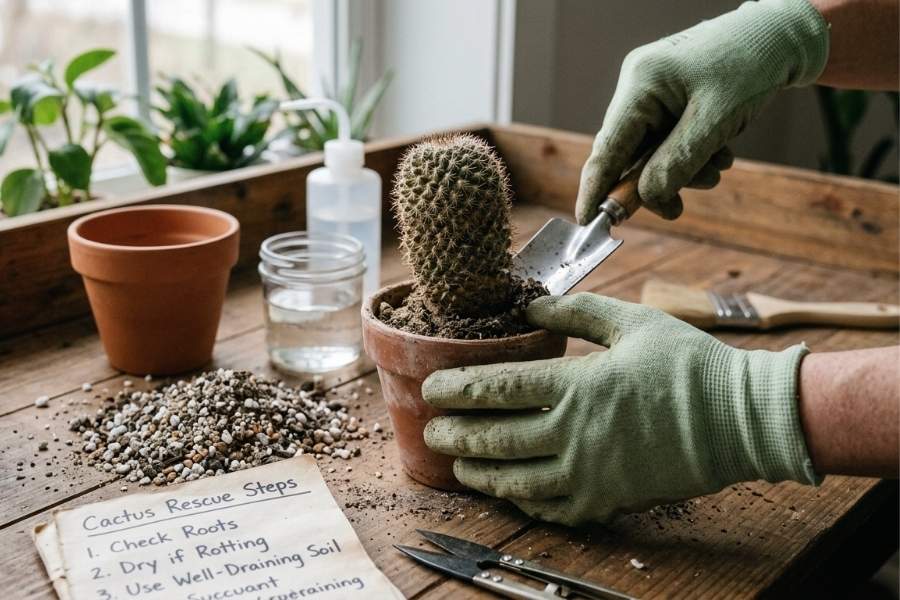
How to Save a Dying Cactus Fast Recovery Tips
Cacti are famous for being some of the toughest plants on the planet. They survive in harsh deserts with very little water and intense sun. However, even these rugged survivors can run into trouble when we bring them indoors. It is a heartbreaking feeling to look at your favorite cactus and see it turning brown, soft, or shriveled.
The good news is that cacti are very resilient. They have evolved to bounce back from extreme stress. If your plant looks like it is on its last legs, don’t give up on it just yet. With the right steps and a little bit of patience, you can often bring a dying cactus back to life. This guide will walk you through the most common problems and give you a fast recovery plan.
Step 1: Identify the Problem
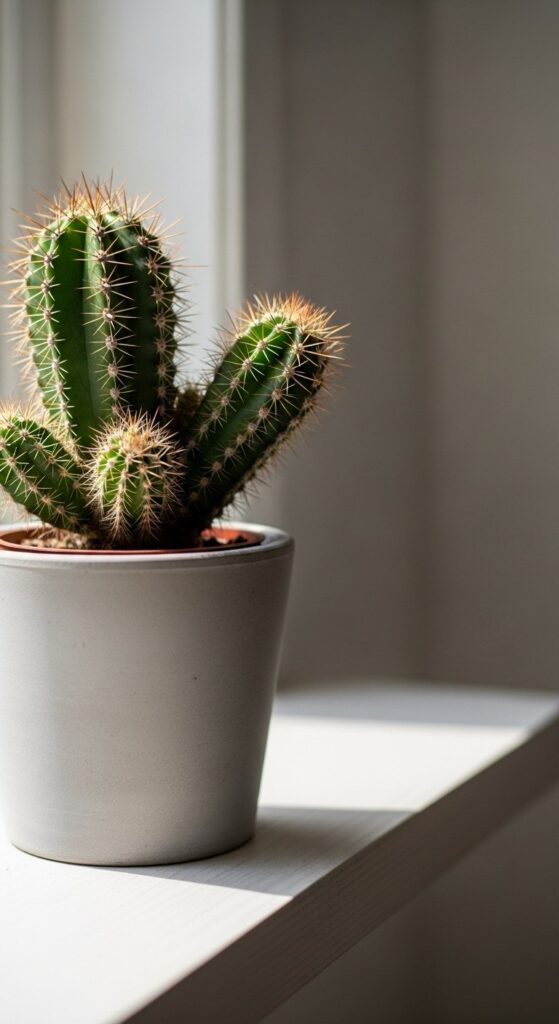
Before you can fix your cactus, you have to know what is killing it. Cacti usually die from one of two extremes: too much love or too much neglect. Identifying the symptoms is the first step toward a cure.
Common Signs of Trouble
| Symptom | Potential Cause | How it Feels/Looks |
| Mushy, brown base | Root Rot | Soft to the touch, smells bad |
| Shriveled, wrinkled skin | Underwatering | Thin, dry, and leathery |
| Yellowing or paleness | Too much sun or low nutrients | Faded color, lacks vibrancy |
| Stretching toward light | Low light (Etiolation) | Tall, thin, and weak growth |
| White or brown spots | Pests or Scabs | Tiny bumps or scaly patches |
Step 2: Dealing With the Number One Killer: Root Rot
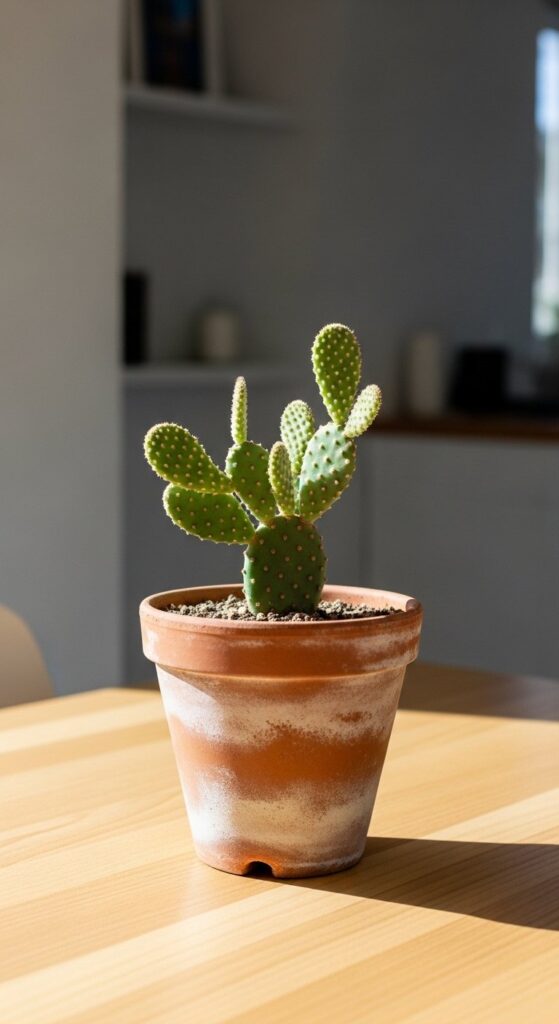
Most people kill their cacti by watering them too much. In the wild, cacti live in soil that dries out completely. If the roots sit in wet dirt for too long, they start to rot. This rot then travels up into the body of the plant.
How to Save a Rotting Cactus
If the base of your plant is mushy, you need to act fast. Rot spreads like an infection.
- Remove the plant: Take the cactus out of its pot. Gently shake off the old, wet soil.
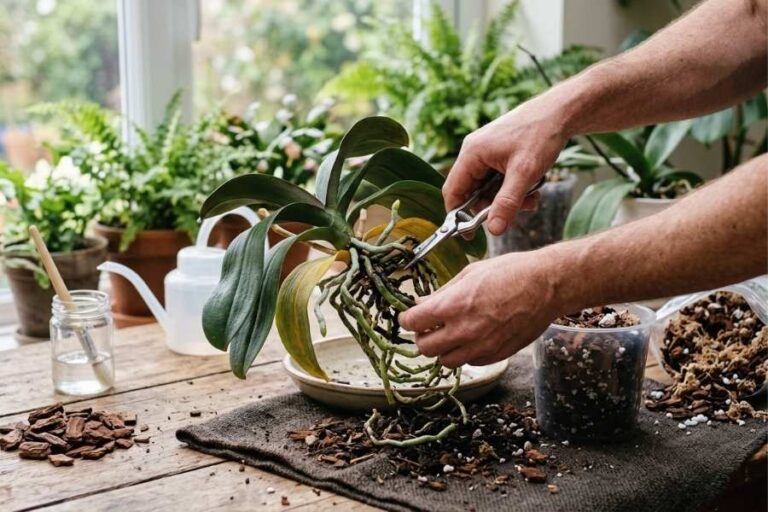
- Inspect the roots: Healthy roots are white or light brown and firm. Rotten roots are black, slimy, and fall apart easily.
- Cut away the bad parts: Use a sharp, clean knife. Cut off any black or mushy roots.
- The “Surgery” method: If the base of the cactus is rotten, you may need to cut off the healthy top part. Cut until you see only clean, green tissue with no brown spots.
- Let it callus: This is the most important part. Leave the healthy cutting in a dry spot for 3 to 7 days. It needs to form a “scab” or callus over the wound.
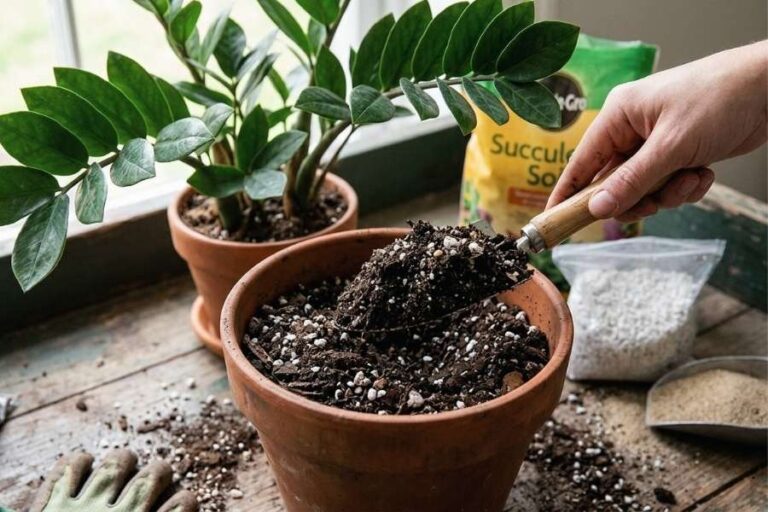
- Repot in dry soil: Once the wound is dry and hard, place the cutting in fresh, dry cactus soil. Do not water it for at least two weeks.
Step 3: Reviving a Dehydrated Cactus
While it is hard to underwater a cactus, it does happen. If your plant looks thin, wrinkled, or has deep ribs that used to be plump, it is thirsty.
The Recovery Plan for Thirsty Cacti
You might be tempted to drown the plant in water to make up for lost time. Don’t do this. A shocked plant needs a steady return to health.
- Check the soil: If the soil is so dry that it has pulled away from the edges of the pot, it might be “hydrophobic.” This means it is repelling water instead of soaking it up.
- The Bottom-Watering Trick: Place the pot in a sink or bowl with an inch or two of water. Let the plant soak up the moisture from the bottom for about 20 minutes.
- Mist the skin: Very lightly mist the body of the cactus. Some cacti can absorb a tiny bit of moisture through their skin.
- Move it to shade: Keep a dehydrated cactus out of direct, hot sun for a few days while it recovers. This prevents it from losing more moisture through evaporation.
Step 4: Fixing Light and Temperature Issues
Sometimes a cactus isn’t “sick” with a disease, but it is unhappy with its environment.
Stretching (Etiolation)
If your round cactus is suddenly growing tall and skinny at the top, it is “reaching” for the light. This new growth is weak and will never thicken up.
- The Fix: Move the plant to a brighter window immediately. If the stretching is very bad, you can cut the thin part off and let the plant regrow from the base.
Sunburn
Yes, even a cactus can get sunburnt. If you move a plant from a dark room directly into the hot afternoon sun, it will turn white or yellow.
- The Fix: Move the plant back into indirect light. The burnt spots will eventually turn into a hard, brown “scab.” This is permanent, but the plant will live.
Step 5: Banishing Pests
Tiny bugs can suck the life out of your cactus very quickly. The two most common are Mealybugs and Scale.
- Mealybugs: These look like tiny bits of white cotton hidden in the ribs or spines of the plant.
- Scale: These look like small, hard brown bumps that you can scrape off with a fingernail.
How to Clean Your Cactus
- Isolate the plant: Move it away from your other plants so the bugs don’t spread.
- Use Alcohol: Dip a cotton swab in rubbing alcohol. Dab it directly onto the bugs. This kills them instantly.
- Spray with Neem Oil: If the infestation is bad, spray the plant with a mix of water and neem oil.
- Change the soil: Bugs often hide their eggs in the dirt. Repotting with fresh soil can help ensure they don’t come back.
Essential Supplies for Cactus Recovery
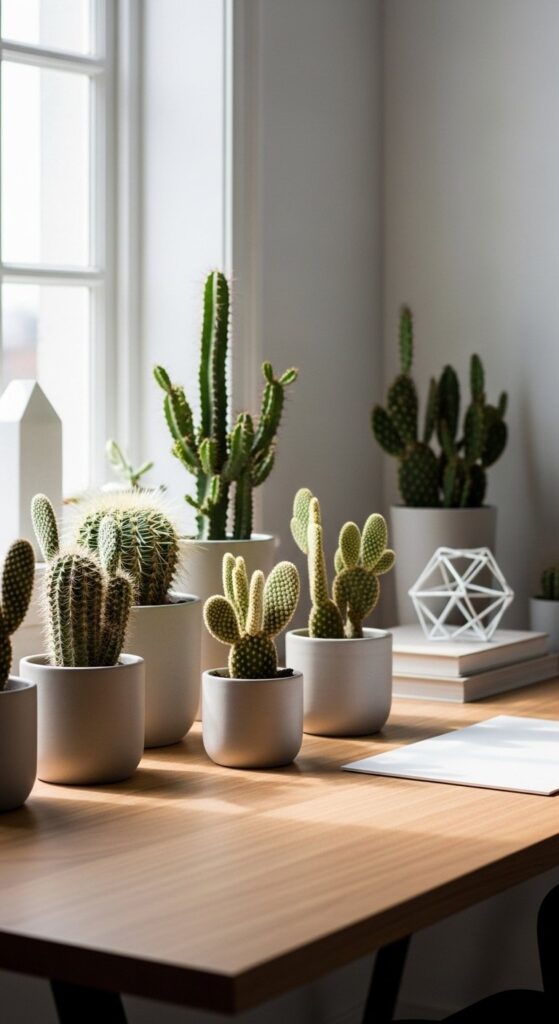
Having the right tools makes the job much easier. Here is a list of things I keep in my “plant first-aid kit.”
| Tool | Purpose | Why it helps |
| Sharp Knife | Pruning and surgery | Clean cuts heal much faster |
| Rubbing Alcohol | Sanitizing and pest control | Prevents infection and kills bugs |
| Perlite/Pumice | Improving drainage | Prevents root rot from happening again |
| Tongs/Gloves | Handling the plant | Protects your hands from spines |
| Terra Cotta Pot | New home | Breathes better than plastic or ceramic |
General Advice for Long-Term Health
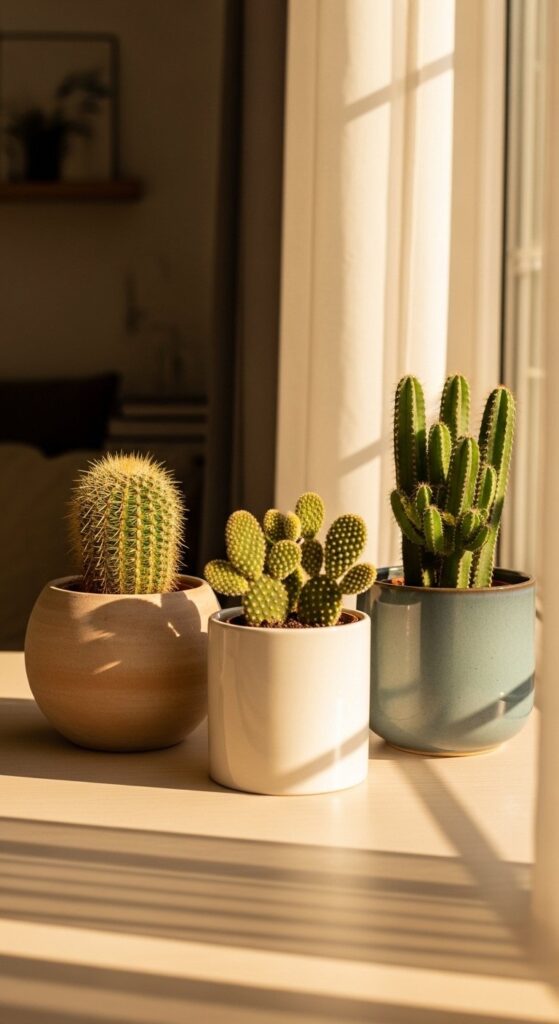
Once your cactus starts to show signs of life, you want to keep it that way. Here are some practical tips to prevent another “near-death” experience.
Use the “Soak and Dry” Method
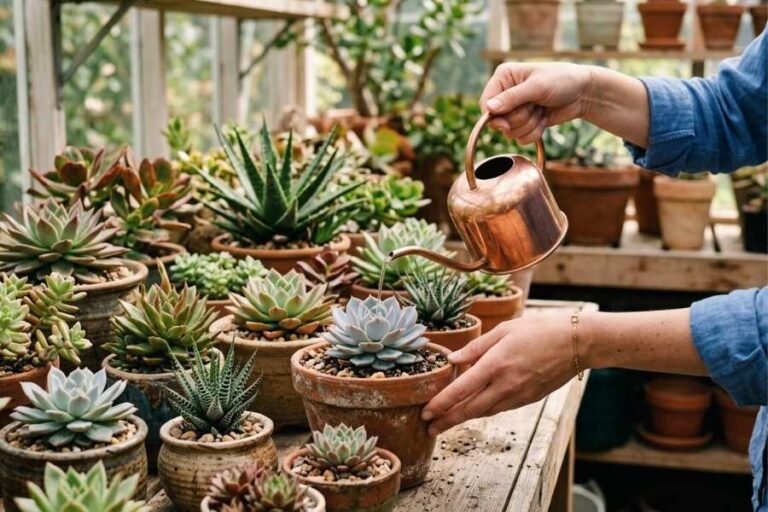
This is the golden rule of cactus watering. Water the plant until water runs out of the drainage holes. Then, do not water it again until the soil is bone-dry all the way to the bottom. Stick a wooden skewer into the dirt. If it comes out clean and dry, it is time to water.
Choose the Right Soil
Never use standard garden soil or heavy potting mix. Cacti need grit. A good mix is 50% potting soil and 50% coarse sand, perlite, or pumice. This ensures that air can get to the roots.
Pick the Right Pot
Terra cotta (clay) pots are the best for cacti. The clay is porous, which means it allows water to evaporate through the sides of the pot. This helps the soil dry out much faster and prevents rot.
Watch the Seasons
Cacti go dormant in the winter. They stop growing and need almost no water. During the cold months, I only water my cacti once every six to eight weeks. Overwatering in the winter is a very common way to kill a healthy plant.
Summary of Fast Recovery Tips
Saving a dying cactus requires you to be brave and patient. Sometimes you have to cut the plant apart to save the healthy pieces, and that can be scary!
Keep these main points in mind:
- Stop watering immediately if the plant is mushy.
- Use clean tools to remove any rot or pests.
- Give the plant plenty of time to “scab over” before putting it back in soil.
- Always use a pot with a hole and soil that drains fast.
- When in doubt, don’t water. It is much easier to fix a thirsty cactus than a rotten one.
Cacti are incredibly slow-moving plants. You won’t see them recover overnight. It might take weeks or even months to see new growth. But when that first tiny green bud appears, you will know that all your hard work and “plant surgery” paid off. Happy gardening!