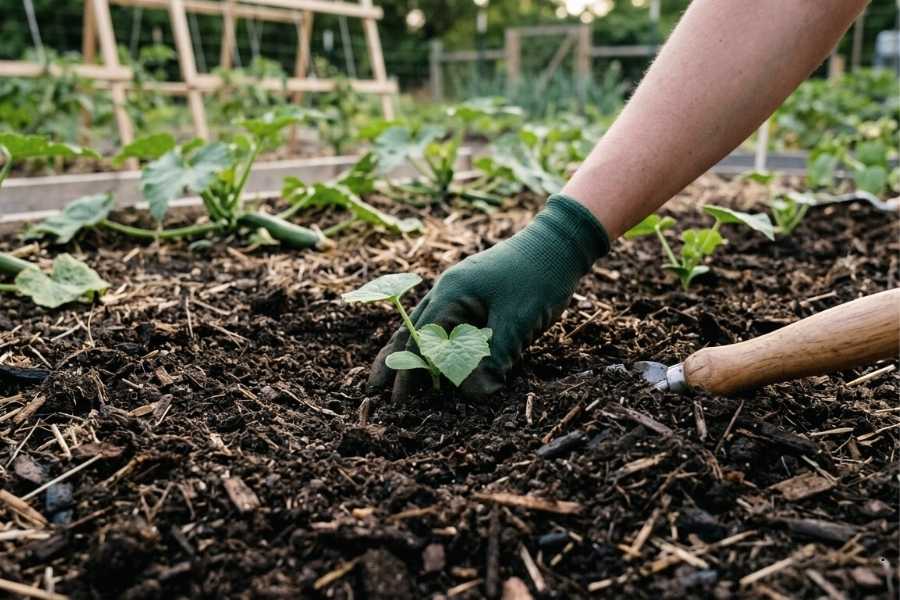
Best Soil for Zucchini for Huge Harvests
Growing your own food is one of the most rewarding things you can do in a garden. If you want a vegetable that gives you back a lot for very little effort, zucchini is the perfect choice. One healthy plant can produce dozens of squash throughout the summer.
However, I have learned the hard way that you cannot just stick a zucchini seed in any patch of dirt and expect greatness. Zucchini plants are hungry. They grow fast and have huge leaves, which means they need a lot of energy. That energy comes directly from the soil. Here is my guide to building the perfect foundation for a huge zucchini harvest.
Why Zucchini Plants Are So Demanding
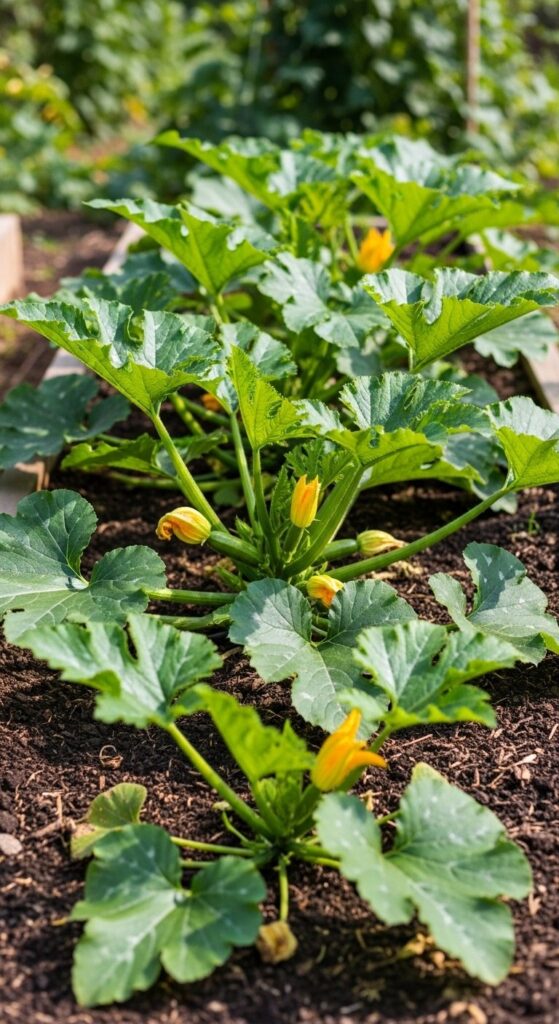
Zucchini plants are like the athletes of the garden. In just a few months, they go from a tiny seed to a massive bush that takes up several square feet. To do this, they need a constant supply of water and food.
If your soil is poor, the plant might grow, but it will struggle. You might see small, yellow leaves or flowers that fall off before they turn into fruit. The right soil solves these problems before they even start. It provides the fuel the plant needs to keep pumping out squash all season long.
The Perfect Soil Texture: Loam is King
When gardeners talk about “loam,” they are talking about the gold standard of dirt. Loam is a mix of sand, silt, and clay. It is the best soil for zucchini because it balances two very important things: drainage and moisture.
Understanding Your Soil Type
You can check your soil type by grabbing a handful of damp dirt and squeezing it.
- Sandy Soil: It feels gritty and falls apart as soon as you open your hand. It drains too fast, so the plant gets thirsty.
- Clay Soil: It feels sticky and stays in a hard ball. It holds too much water, which can rot the roots.
- Loamy Soil: It holds its shape for a second but crumbles easily when you poke it. This is exactly what your zucchini wants.
The Three Pillars of Zucchini Soil
To get a huge harvest, your soil must excel in three specific areas. I call these the three pillars of a successful garden bed.
1. High Organic Matter
Organic matter is basically old, decomposed plants and manure. Zucchini plants love it. It makes the soil dark, rich, and full of life. It also acts like a sponge, holding onto water so the roots stay cool and hydrated.
2. Good Drainage
Even though zucchini plants like water, they hate standing in a puddle. If the soil stays soggy, the plant will get diseases like powdery mildew or root rot. The soil must let extra water flow away easily.
3. Rich Nutrients
Zucchini is a “heavy feeder.” This means it sucks up nutrients like nitrogen, phosphorus, and potassium very quickly. Your soil needs to be packed with these elements from day one.
Essential Soil Ingredients for Zucchini
You don’t need to buy expensive chemicals to fix your soil. You just need to add the right natural ingredients. Here is a table of what to add and why.
| Ingredient | Benefit | When to Add |
| Compost | Adds nutrients and improves texture | Every spring before planting |
| Aged Manure | High in nitrogen for big leaves | A few weeks before planting |
| Peat Moss | Helps hold moisture in sandy soil | During soil preparation |
| Perlite | Improves drainage in heavy clay | When mixing your bed |
| Bone Meal | Adds phosphorus for more flowers | At the time of planting |
| Wood Ash | Adds potassium for fruit strength | Small amounts during growth |
How to Prepare Your Planting Site
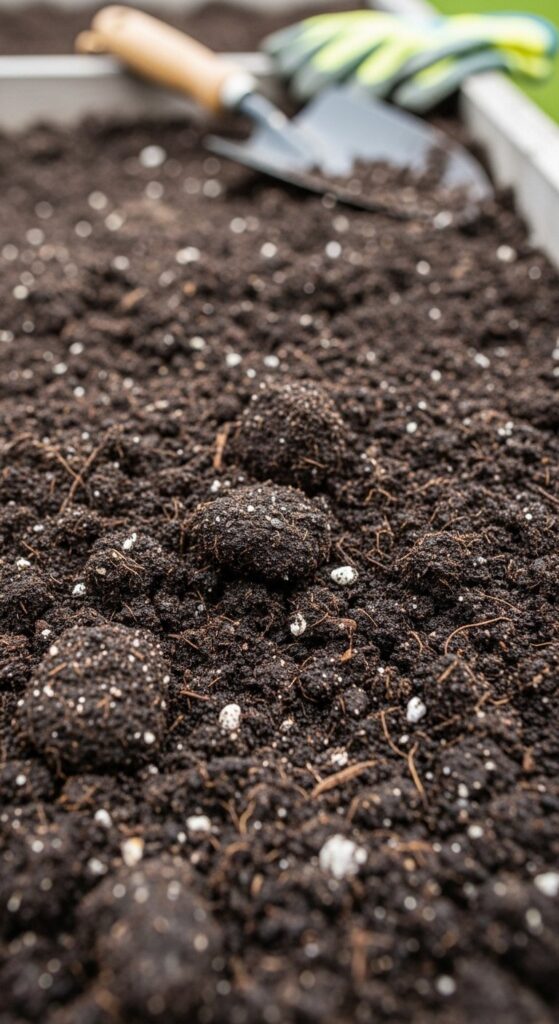
I like to prepare my zucchini patch at least two weeks before I put any seeds in the ground. This gives the soil time to settle and the nutrients time to break down.
Step-by-Step Soil Preparation
- Clear the Area: Remove all weeds and rocks from the spot. Zucchini plants do not like competing for space.
- Loosen the Ground: Use a shovel or a garden fork to turn the soil about 12 inches deep. Zucchini has a deep taproot that needs to push down easily.
- Mix in the Good Stuff: Spread a layer of compost 3 inches thick over the area. Mix it into the top 6 inches of your native soil.
- Create Mounds: I always grow my zucchini on small “hills” or mounds. This naturally improves drainage. Make each mound about 12 inches wide and 6 inches high.
- Water the Bed: Give the empty bed a good soak a few days before planting to wake up the beneficial bacteria in the soil.
The Importance of Soil pH
You might have heard the term “pH” before. It is just a way of measuring how acidic or alkaline your soil is. Zucchini plants are happiest when the soil is slightly acidic to neutral.
The Ideal Range
- The Target: A pH between 6.0 and 7.0 is perfect.
- Why it Matters: If the pH is too high or too low, the plant cannot “unlock” the nutrients in the soil. You could have the best fertilizer in the world, but the plant won’t be able to eat it.
You can buy a simple pH test kit at any garden center. If your soil is too acidic, you add lime. If it is too alkaline, you add sulfur or peat moss.
Using Fertilizers Safely
While good soil does most of the work, a little extra help can lead to a truly massive harvest. However, you have to be careful.
Nitrogen vs. Phosphorus
In the beginning, the plant needs nitrogen to grow big, healthy leaves. But once the plant starts flowering, you want more phosphorus. If you give the plant too much nitrogen late in the season, you will get a giant bush but no zucchini.
- Early Season: Use a balanced fertilizer or compost tea.
- Mid-Season: Switch to a mix that is higher in phosphorus to encourage fruit.
Practical Advice for Healthy Soil Management
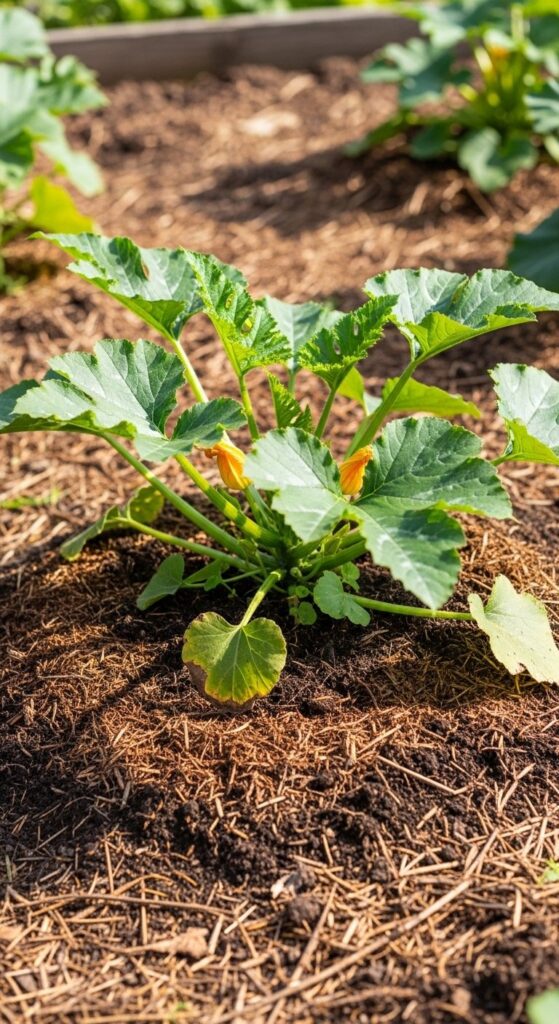
Even after you plant your zucchini, you need to look after the soil. Healthy soil is a living environment that needs protection.
Mulching is Your Best Friend
I never leave the soil bare around my zucchini plants. I cover the ground with straw or shredded leaves. This is called mulching.
- It keeps the soil cool in the hot sun.
- It prevents water from evaporating too fast.
- As the mulch breaks down, it turns into even more organic matter for next year.
Crop Rotation
Do not plant your zucchini in the exact same spot two years in a row. Zucchini plants use up specific nutrients. They can also leave behind pests or diseases in the dirt. I move my zucchini to a different part of the garden every season to keep the soil fresh.
Common Soil Problems and Solutions
Sometimes things go wrong even when you try your best. Here is a list of common issues and how to fix them through the soil.
- Plant is wilting but the soil is wet: This is likely root rot. Your soil is too heavy. Add more perlite or coarse sand to improve drainage.
- Fruit is rotting on the end: This is called blossom-end rot. It often happens because the plant can’t get enough calcium from the soil. Adding crushed eggshells or lime can help, but consistent watering is the real secret.
- Leaves are turning pale green or yellow: The plant is probably hungry for nitrogen. Add a liquid seaweed fertilizer or a thin layer of fresh compost around the base.
Summary of the Huge Harvest Plan
Getting a big harvest of zucchini is not about luck. It is about building a foundation that supports the plant’s fast-paced life. If you treat your soil well, the plant will reward you with more squash than you can eat.
Final Checklist for Your Zucchini Soil:
- Make sure the soil is loose and deep (at least 12 inches).
- Add plenty of compost and aged manure for fuel.
- Check that water drains away quickly and doesn’t puddle.
- Keep the soil covered with mulch to protect the roots.
- Test your pH to make sure the plant can actually “eat” the nutrients.
When you see those first bright orange flowers and the tiny green squash starting to grow, you will know your hard work on the soil was worth it. There is nothing like the taste of a zucchini grown in rich, healthy earth. Enjoy your gardening!