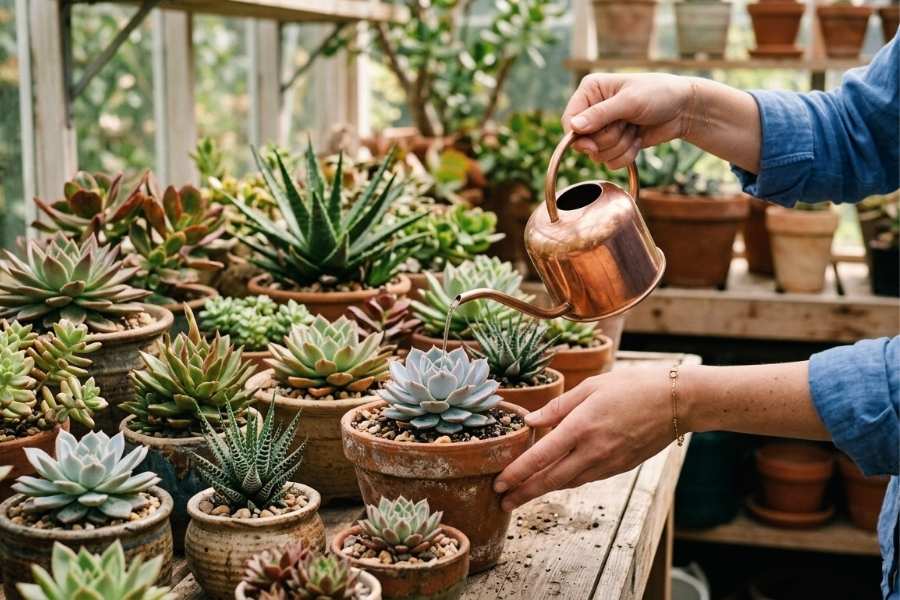
How Often Do You Water Succulents – Watering Schedule Tips
Succulents are some of the most popular plants in the world because they look like little living sculptures. Most people buy them because they hear that these plants are impossible to kill. While they are very tough, the one thing that trips up almost every beginner is the watering schedule.
In their natural homes, succulents live in places with very little rain. They have learned to store water in their thick leaves and stems. This means they do not need a drink nearly as often as a fern or a rose. If you treat a succulent like a normal houseplant, you will likely water it to death. This guide will help you understand the “language” of your succulent so you can give it exactly what it needs.
The Golden Rule: The Soak and Dry Method
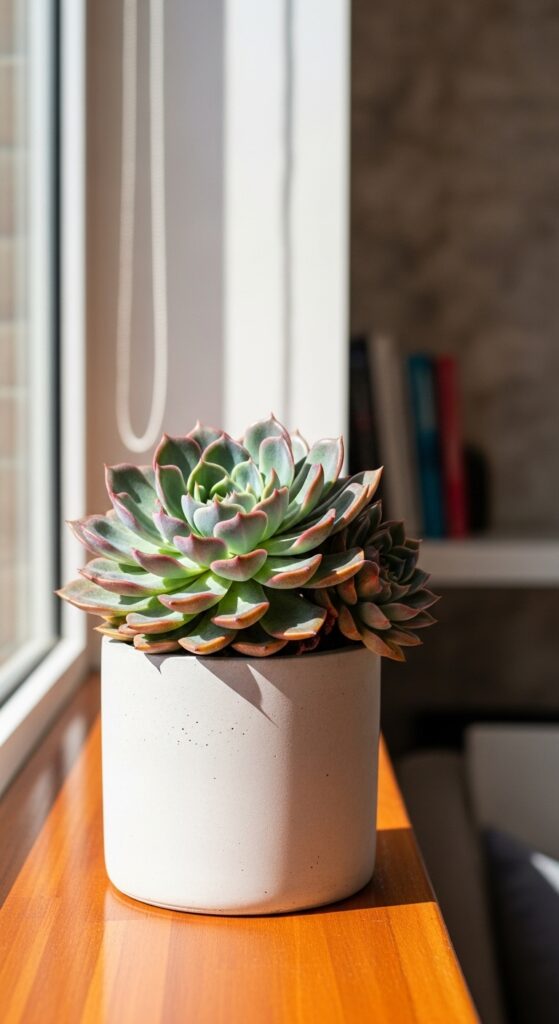
If you only remember one thing from this article, let it be the “Soak and Dry” method. This is the most natural way to water a succulent. It mimics the desert, where a big rainstorm happens, followed by a long period of heat and drought.
How it Works
- Wait for the soil to dry: Stick your finger into the pot. The soil should be bone-dry all the way to the bottom.
- Pour water until it drains: Water the plant thoroughly. Keep pouring until you see water coming out of the holes at the bottom of the pot.
- Empty the saucer: Never let your succulent sit in a tray of water. After ten minutes, pour out any extra water that collected in the saucer.
- Forget about it: Do not water it again until the soil is completely dry. This might take one week or even three weeks.
Factors That Change How Often You Water
There is no single “correct” number of days for watering. A succulent in a sunny window in Arizona needs water much more often than a succulent in a cool office in London. Several factors change the timing.
1. The Season
Plants grow much faster in the spring and summer. During these months, they use up water quickly. In the winter, most succulents go dormant. They “sleep” to save energy. You should cut your watering in half during the winter. Some people only water their succulents once a month when it is cold.
2. The Type of Pot
The material of your pot actually breathes.
- Terra Cotta (Clay): These pots are porous. They pull moisture out of the soil and let it evaporate. Soil dries out faster in clay.
- Plastic or Ceramic: These hold onto moisture for a long time. You have to be very careful not to overwater if your plant is in a glazed ceramic pot.
3. Light and Heat
Sunlight creates heat, and heat causes evaporation. If your plant sits in a south-facing window with direct sun, it will get thirsty much faster than a plant sitting on a bookshelf in the middle of the room.
4. Soil Type
Succulents need gritty soil. If you use regular garden dirt, it stays wet like a sponge. If you use a cactus mix with lots of sand and pebbles, the water flows through quickly. Fast-draining soil means you can water more safely.
Signs Your Succulent is Thirsty vs. Drowning
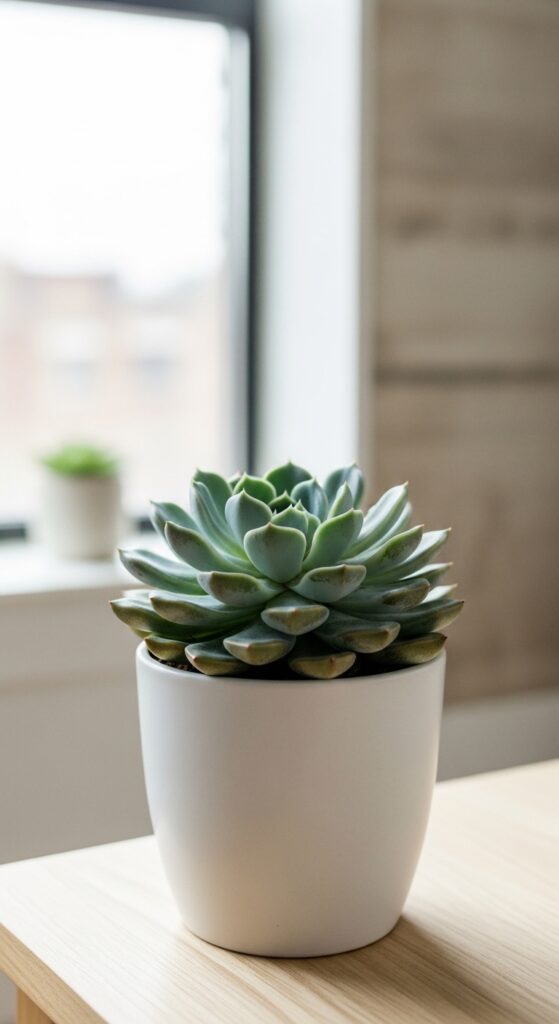
Your plant will tell you when it needs a drink. You just have to know what to look for.
| Condition | Leaf Appearance | Leaf Texture | Soil Status |
| Healthy | Plump and firm | Hard like a grape | Slightly damp to dry |
| Thirsty | Wrinkled or shriveled | Soft and flexible | Bone dry and dusty |
| Overwatered | Translucent or yellow | Mushy and slimy | Soggy or damp |
Checking the “Ribs”
Many succulents, like cacti or certain Haworthia, have ribs. When they are full of water, they look fat and round. When they are thirsty, the ribs become deep and prominent. This is a great visual cue to give them a soak.
Practical Advice for Better Watering
I have learned a few tricks over the years that make watering much safer for the plant.
Avoid Misting
Many people think that misting a succulent with a spray bottle is a good idea. It is actually one of the worst things you can do. Succulents don’t absorb much water through their leaves. Misting keeps the leaves wet, which can lead to rot or mold. Always water the soil directly, not the leaves.
Use the Right Water
Succulents can sometimes be sensitive to the chemicals in tap water. If you notice white crusty spots on your leaves, it might be salt or minerals from your water. If possible, use rainwater or distilled water. If you must use tap water, let it sit out overnight so the chlorine can escape.
The Bottom Watering Method
If your soil has become very hard and dry, water might just run down the sides of the pot without soaking in. In this case, place the pot in a shallow bowl of water for 30 minutes. The soil will pull the moisture up from the bottom. This ensures the roots actually get a drink.
How Often for Different Locations?
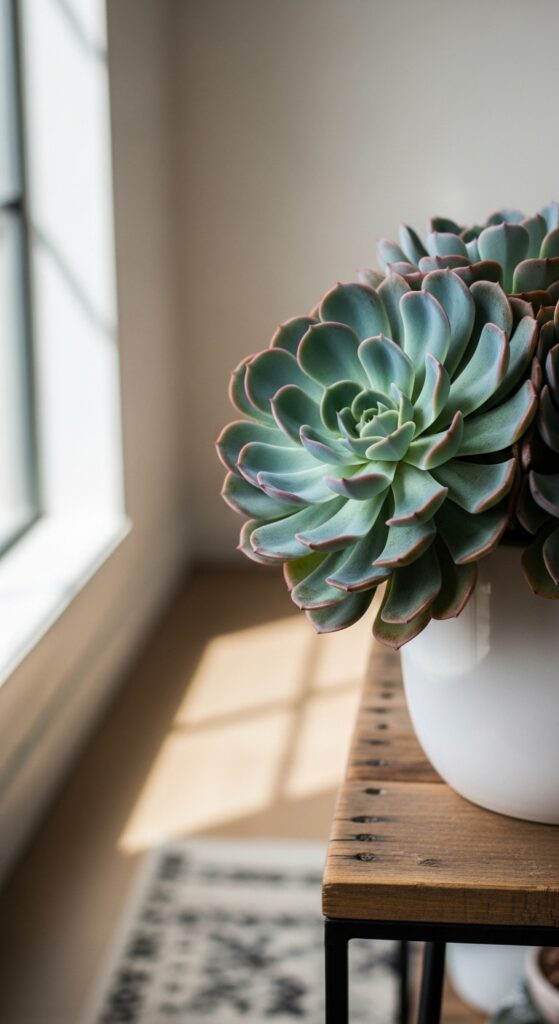
Where you keep your plant changes the schedule. Here is a general guide to help you get started.
- Outdoor Succulents (Summer): Every 3 to 5 days if it is very hot.
- Indoor Succulents (Bright Light): Every 7 to 10 days.
- Indoor Succulents (Low Light): Every 2 to 3 weeks.
- Winter Dormancy (All locations): Every 3 to 4 weeks.
Important Note: These are just estimates! Always check the soil with your finger before you grab the watering can.
Common Watering Mistakes to Avoid
Even experienced gardeners make mistakes. Here are the big ones to watch out for.
- Watering on a strict schedule: Never water just because it is Monday. Water because the plant and the soil tell you it is time.
- Using pots without holes: If the water has nowhere to go, it sits at the bottom and rots the roots. If your pot has no hole, you must be extremely stingy with water.
- Giving “sips” of water: Do not give your plant a tiny spoonful of water every day. This doesn’t reach the deep roots. Give it a big soak, then let it dry out completely.
- Ignoring the humidity: If you live in a very humid place, your soil will stay wet much longer. You will need to water less often than someone in a dry climate.
General Care and Maintenance
Watering is the most important part of succulent care, but it works better when the rest of the environment is right.
Keep the Leaves Clean
Dust can settle on succulent leaves and block the “pores” they use to breathe. Every few months, gently wipe the leaves with a damp cloth. This helps the plant process water and sunlight more efficiently.
Choosing the Right Soil Mix
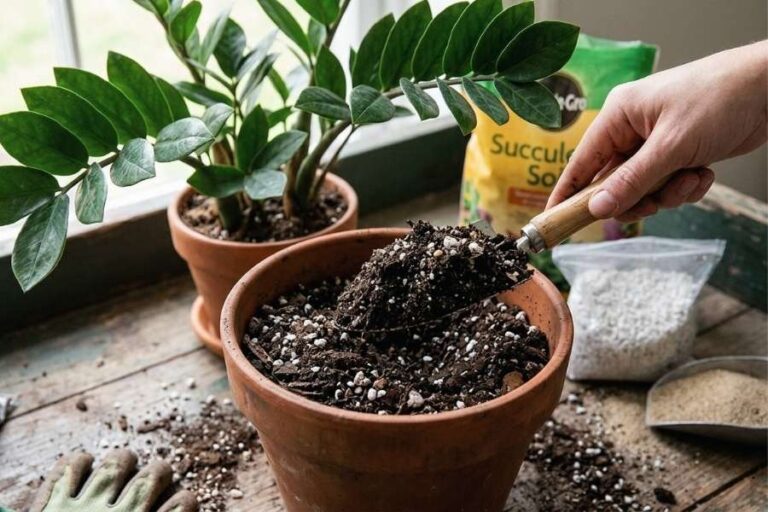
I always mix my own soil to make watering easier. A good mix is 50% regular potting soil and 50% “grit.” Grit can be coarse sand, perlite, or pumice. This mix makes it almost impossible to accidentally drown your plant because the water moves through so fast.
When to Repot
If your succulent has grown so large that you can’t even see the soil, it is time for a bigger pot. When a plant is “root-bound,” there isn’t enough soil to hold any moisture. You might find yourself having to water it every couple of days. A bigger pot with fresh soil will help you get back to a normal schedule.
Summary of the Perfect Watering Plan
Taking care of succulents is about learning to trust the plant’s ability to survive. They are built for drought. It is always better to wait an extra three days if you aren’t sure if the soil is dry.
Final Checklist for Watering Success:
- Check the soil with your finger or a wooden stick.
- Ensure the soil is dry all the way to the bottom.
- Soak the soil until water runs out of the drainage hole.
- Never mist the leaves; only water the dirt.
- Adjust your schedule for the seasons and the light.
- When in doubt, don’t water.
If you see your succulent start to wrinkle just a little bit, don’t panic. It is simply using its stored water. Give it a good soak, and within 24 hours, it will be plump and happy again. Enjoy your beautiful, low-maintenance green friends!