12 Gorgeous Container Gardening Flowers for Shade
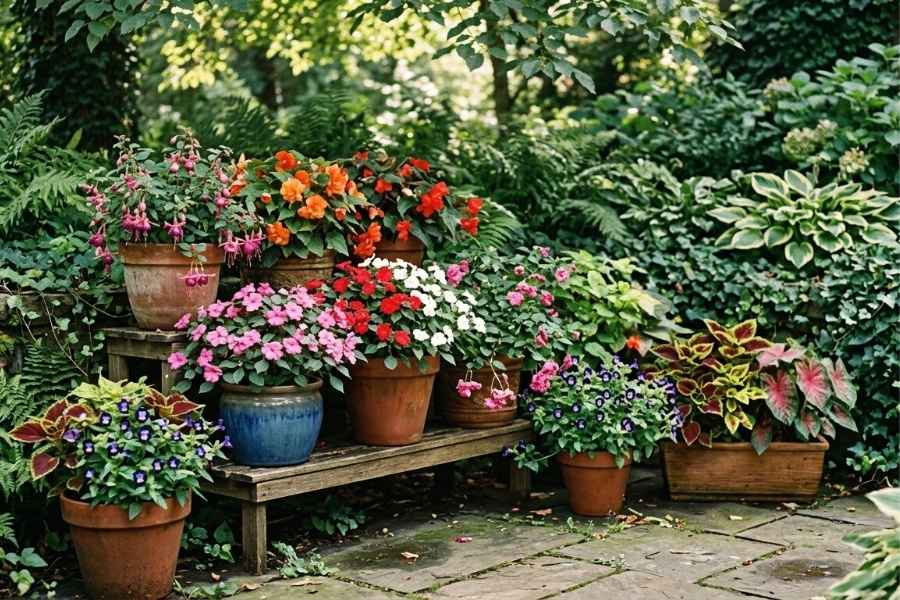
I used to think my porch was too dark to grow anything beautiful. It felt a bit gloomy with no bright sun reaching the corners.
But then I discovered that many flowers actually love the quiet shade. They bring so much light and color to those hidden spots. If you have a dim patio or a covered balcony, these flowers will help you turn your shady space into a bright, leafy retreat.
Begonias for Shady Container Gardens
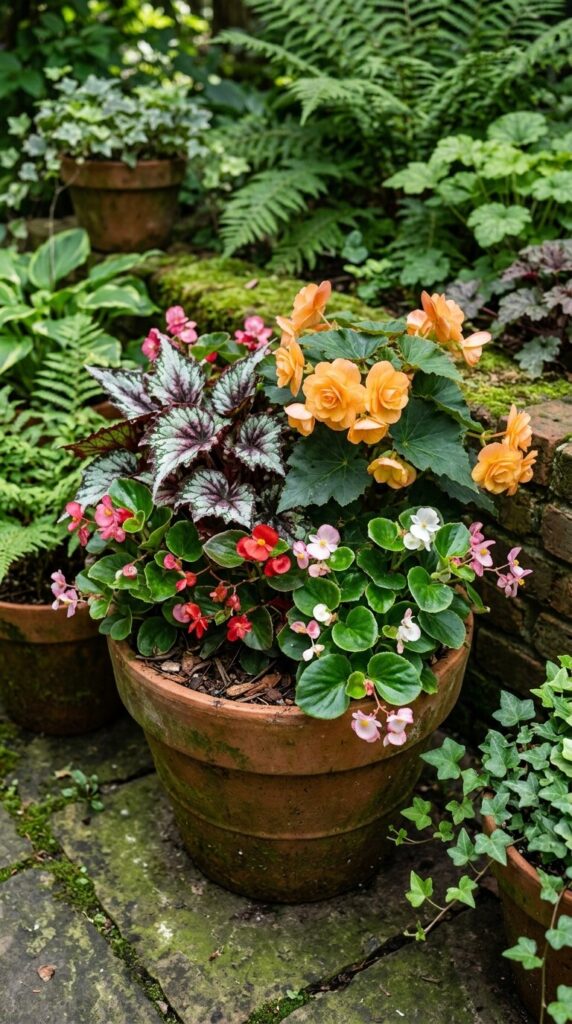
I absolutely love begonias because they are so reliable in the dark corners of my porch. They have thick, waxy leaves that stay beautiful even when it is humid outside. The flowers come in so many warm colors, like pink and orange, which really help to brighten up a dim area.
They do not need a lot of attention, which is great for a busy gardener. I find that they look best in a medium-sized pot where they have room to bushy out.
- Avoid overwatering as they prefer to dry out a little between drinks.
- Pick a variety with dark leaves to create a nice contrast with the flowers.
- Remove faded blooms to keep the plant looking tidy and fresh.
Impatiens for Bright Pops of Color
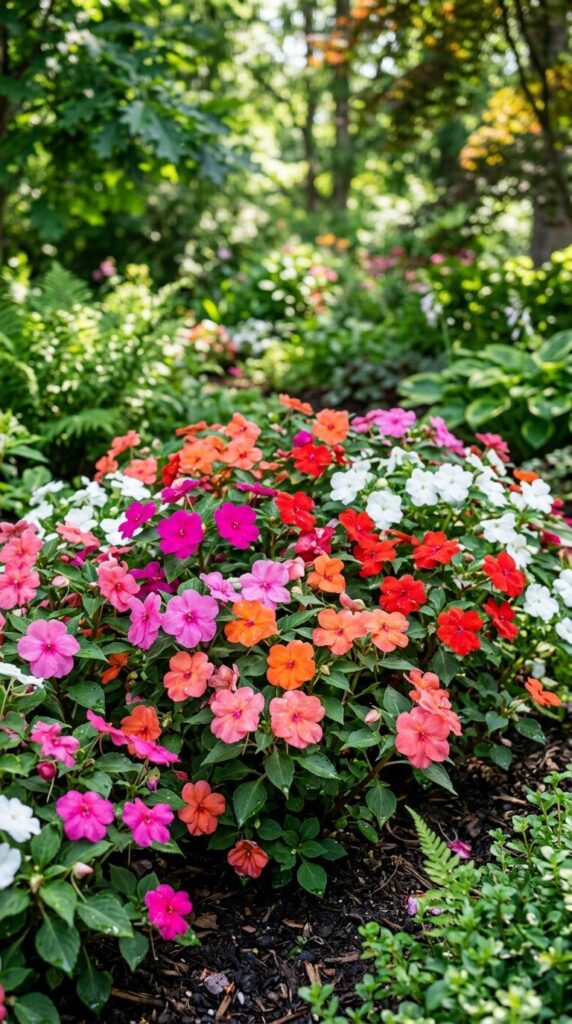
Impatiens were some of the first flowers I grew in the shade, and they never let me down. They create a solid carpet of color that lasts all summer long. I like to pack them tightly into a container to get a very full and lush look.
They are very sensitive to thirst, so they will let you know by wilting if they need a drink. Once you water them, they perk right back up in no time.
- Keep the soil consistently moist for the happiest plants.
- Mix different shades like white and purple for a cheerful variety.
- Place them in a spot where they are protected from strong winds.
Fuchsias for Hanging Shade Containers
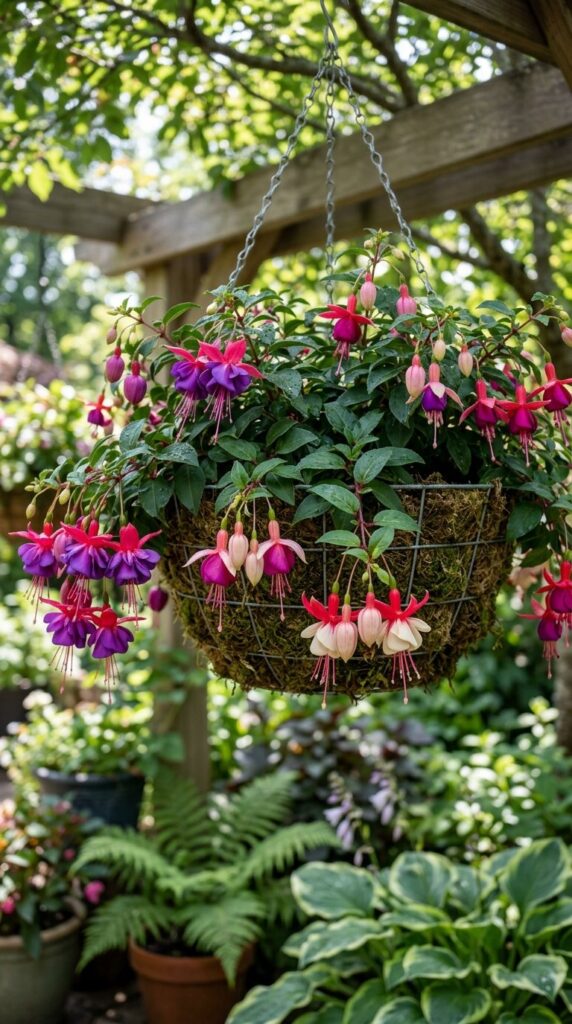
Fuchsias are my favorite choice for hanging baskets because of their unique, dangling flowers. They look like little ballerinas dancing in the breeze. I find that hummingbirds love to visit these blooms, which makes sitting on my patio even more fun.
Because they hang down, they are perfect for adding color at eye level. Just make sure to keep them out of the hot afternoon sun, or the delicate petals might burn.
- Fertilize every two weeks to keep the heavy blooming going.
- Pinch off the tips of young plants to encourage more branches.
- Check hanging pots daily as they dry out faster than floor pots.
Hostas in Decorative Garden Pots
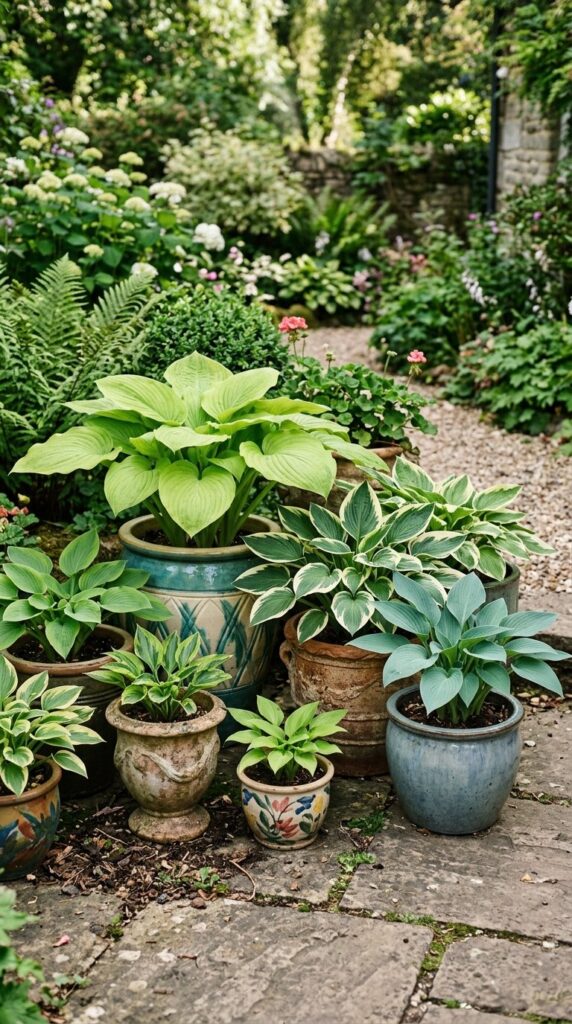
Most people plant hostas in the ground, but I think they look stunning in large decorative pots. They come in so many different shades of green, blue, and gold. Their large leaves fill up a container quickly and add a very calm, tropical feel to a shady corner.
They are very tough and can handle the cold quite well. I enjoy seeing the different textures of the leaves clumped together in a corner of my yard.
- Choose a wide pot to accommodate their spreading root system.
- Watch out for slugs, as they love to munch on hosta leaves.
- Combine different varieties for a beautiful mix of foliage patterns.
Coleus for Colorful Foliage Displays
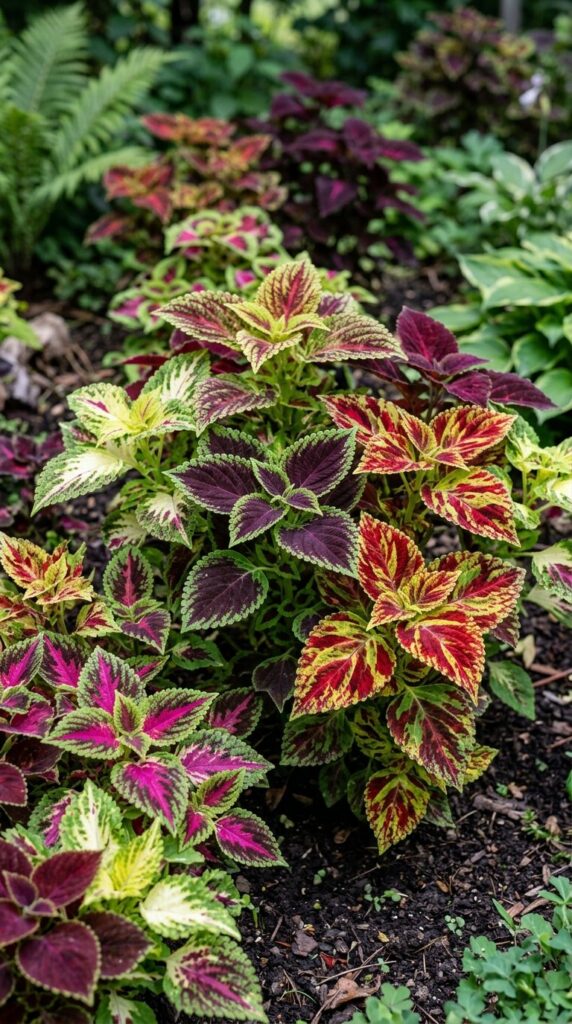
I often tell my friends that you do not need flowers to have a colorful garden. Coleus is proof of that with its incredibly bright and patterned leaves. I use them to add neon greens, deep reds, and bright pinks to my shadiest spots.
They are very easy to grow from cuttings, so I often start new plants for my neighbors. They stay vibrant all season and look great in almost any type of container.
- Pinch off the small flower spikes to keep the energy in the leaves.
- Use them as a “filler” plant in large mixed containers.
- Protect them from the cold as they do not like chilly nights.
Caladiums for Tropical Shade Gardens
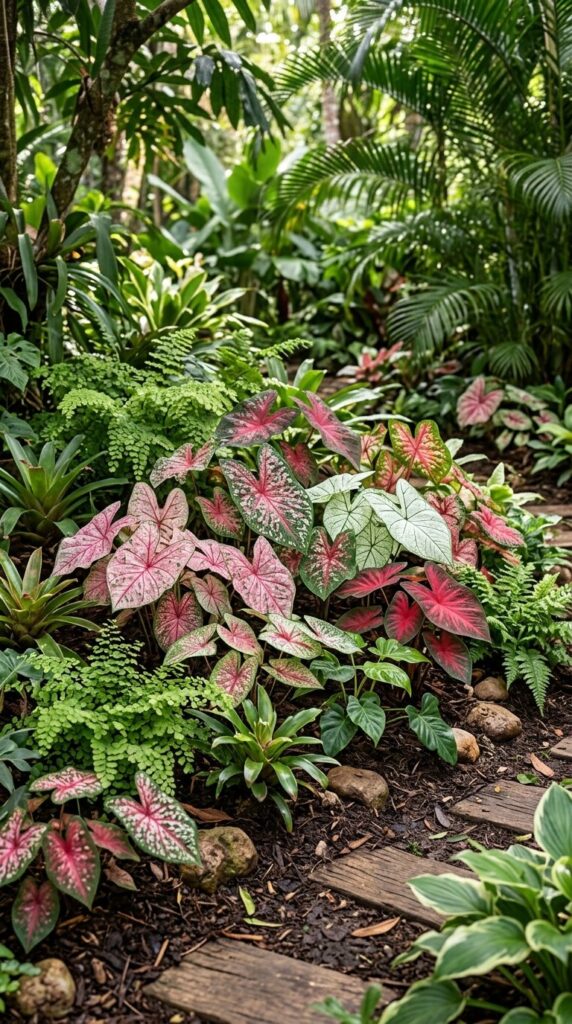
Caladiums always make me feel like I am on a tropical vacation. Their heart-shaped leaves are thin and delicate, often featuring bright red or white veins. I love how they stand tall on thin stems, adding height to my container arrangements.
They grow from bulbs and love the warmth, so I wait until the weather is consistently cozy before putting them outside. They really pop against a dark green background or a brick wall.
- Plant them in a spot with very little wind to protect the thin leaves.
- Keep the soil warm and moist to encourage fast growth.
- Store the bulbs indoors over the winter to use them again next year.
Astilbes for Soft and Elegant Texture
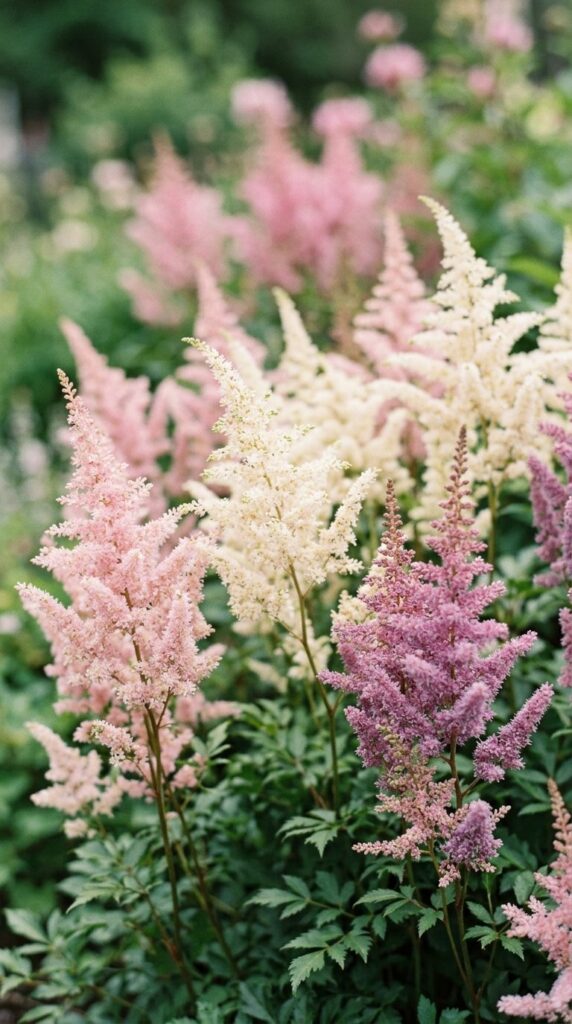
I enjoy adding astilbes to my shade pots because they have such a soft, feathery look. Their tall flower spikes look like colorful plumes of smoke rising above the green fern-like leaves. They add a touch of elegance that other flowers just cannot match.
They really love moisture, so I make sure to put them in a pot that does not dry out too fast. They are a wonderful way to add vertical interest to a group of shorter plants.
- Keep the soil very damp as they do not like to dry out at all.
- Cut back the flower spikes once they turn brown to keep the plant neat.
- Group them with hostas for a classic and beautiful shade pairing.
Torenia for Low-Light Container Gardens
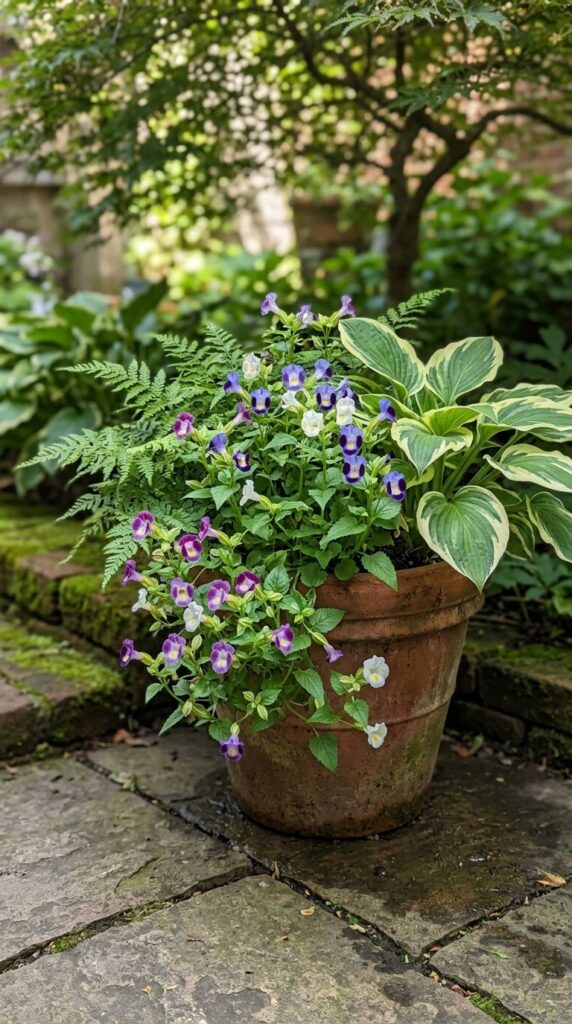
Torenia is often called the “wishbone flower,” and it is a hidden gem for shady spots. The flowers are small but very detailed, and they come in lovely shades of blue and yellow. I find that they trail beautifully over the edges of a pot or a window box.
They stay very neat and do not require much maintenance. It is a great choice if you want something a bit different than the usual shade flowers you see everywhere.
- Place them where they get a tiny bit of morning light if possible.
- Water regularly to keep the stems from getting brittle.
- They are great for attracting bees to the quieter parts of your garden.
Heucheras for Vibrant Leaf Colors
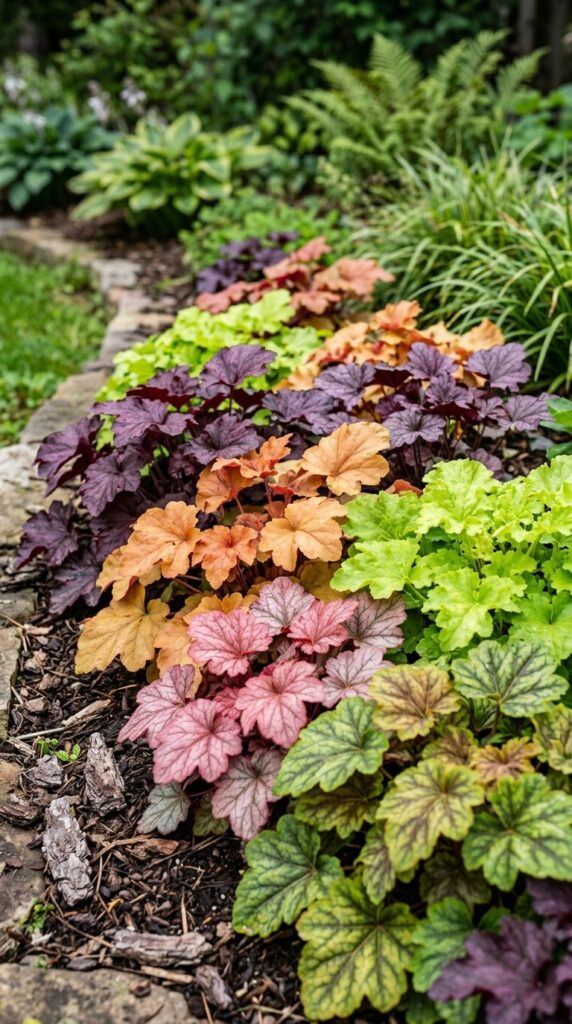
Heucheras, also known as coral bells, are a must-have for my shade containers. While they do have tiny flowers, it is the ruffled leaves that I really love. You can find them in colors like deep purple, bright lime, and even burnished orange.
They are very hardy and stay looking good even as the weather starts to turn cool in the fall. I like to use them as a base for my winter-themed porch pots.
- Ensure the pot has excellent drainage to prevent root rot.
- Clean off old leaves from the bottom to keep the crown healthy.
- Divide the plants every few years if they get too big for the pot.
Lobelias for Cascading Shade Planters
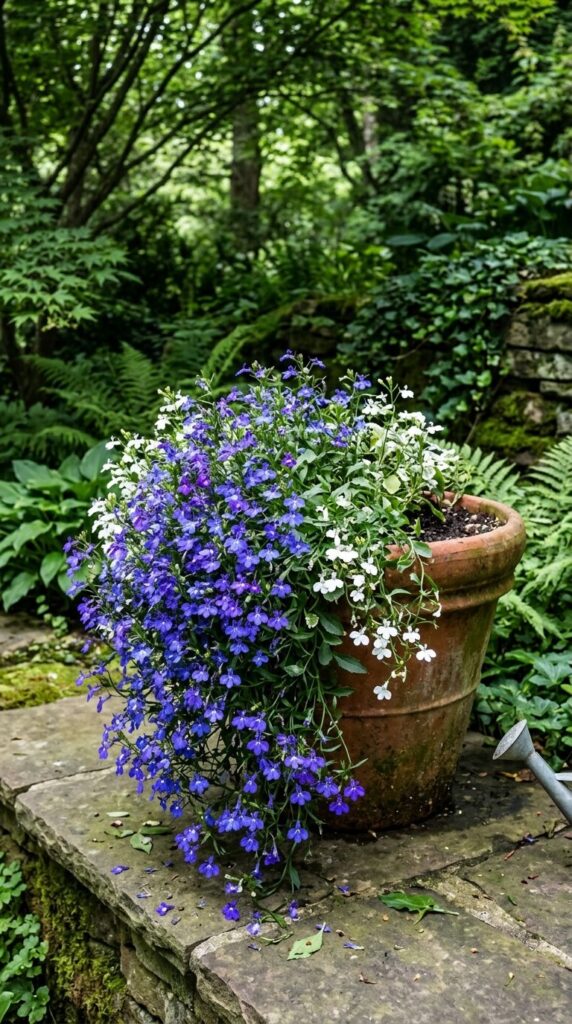
Whenever I want a waterfall of blue, I reach for lobelia. These plants produce a massive amount of tiny, intense blue flowers that spill over the sides of containers. It is a color that is hard to find in many other plants.
They love the cool air of a shady spot and will bloom their hearts out for you. I find they look especially beautiful in white or silver pots where the blue really stands out.
- Trim them back slightly if they start to look thin in mid-summer.
- Give them plenty of water on hot days to keep the flowers fresh.
- Use them at the very edge of your pots for the best cascading effect.
Hydrangeas for Large Shade Containers
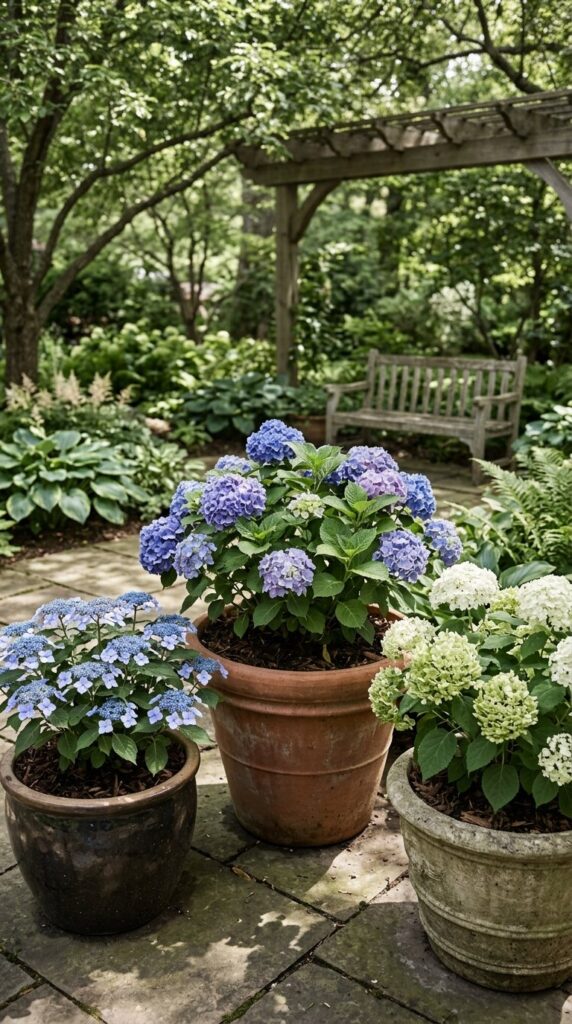
I love the classic look of a big hydrangea in a large pot. They have huge, round flower heads that can be white, blue, or pink depending on the soil. Having one of these on my porch makes the whole house feel more welcoming and established.
They need a big container because they grow quite large and drink a lot of water. It is a great focal point that looks beautiful all through the summer months.
- Use a large, heavy pot so the plant does not tip over in the wind.
- Mulch the top of the soil to help hold in the moisture.
- Protect the buds from late spring frosts if you live in a cold area.
Ferns for Lush Green Container Arrangements
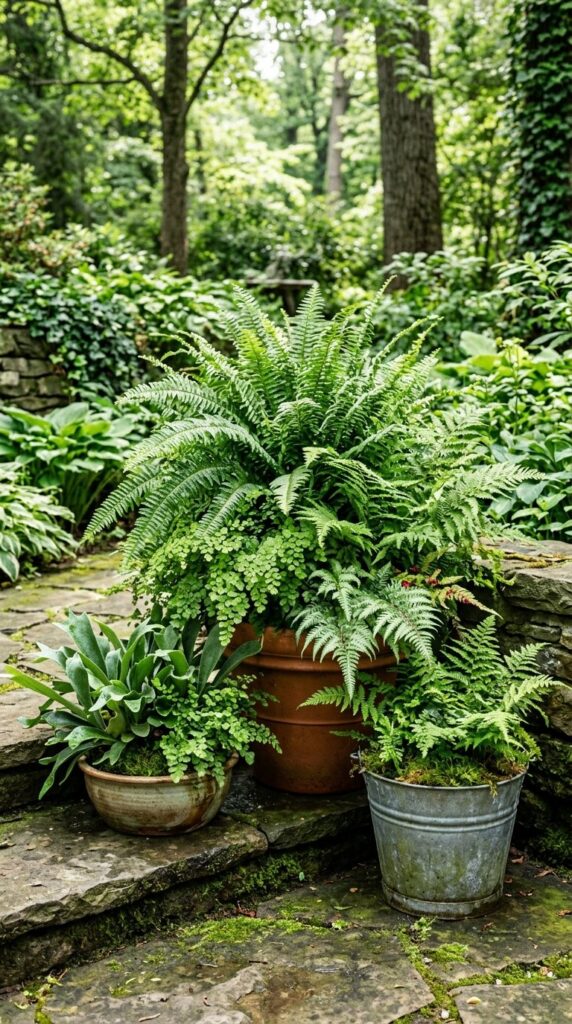
No shade garden is complete without at least one fern. I love the way their long, green fronds unfurl in the spring. They add a sense of peace and a very natural look to my outdoor space.
They are incredibly easy to care for as long as you keep them out of the direct sun. I often hang them in baskets or place them in tall urns to let the leaves drape down gracefully.
- Mist the leaves with water on very dry days to keep them happy.
- Keep them in a spot with plenty of indirect light.
- Pick a variety like the Boston fern for a very full and bushy look.
Simple Tips for Success
Practical Advice for Shady Pot Gardening
Growing flowers in the shade is a bit different than growing them in the sun. I have found that plants in the shade don’t always need as much water as those in the heat, but you still have to check them.
Since there is less light, I try to use light-colored pots or white flowers to reflect what little light there is. It makes the whole area feel much more open and bright.
- Use a high-quality potting mix that drains well but holds some moisture.
- Feed your shade plants with a balanced fertilizer about once a month.
- Keep the pots clean and remove any fallen leaves to prevent mold.