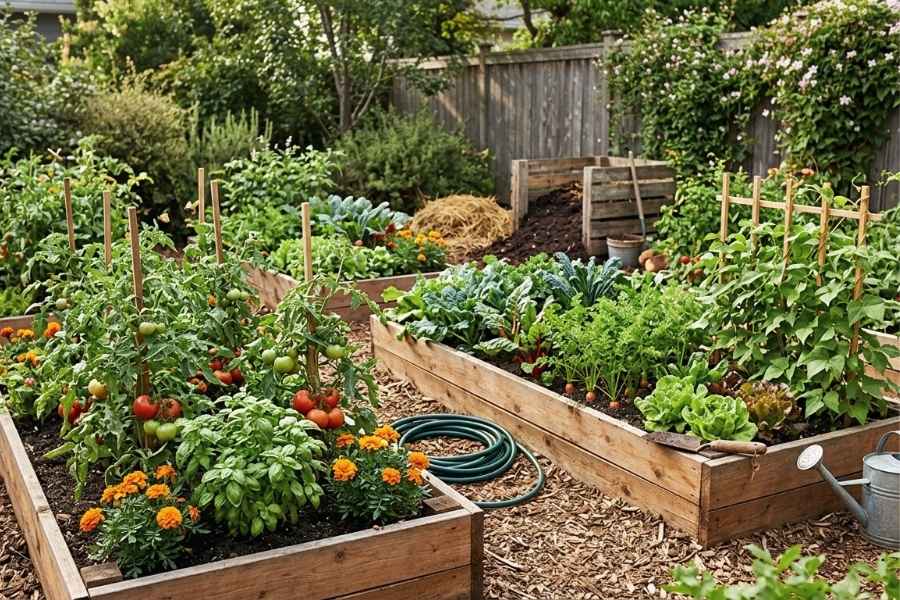
12 Beginner Organic Gardening Tips That Work
I used to feel worried about the chemicals in my food and the sprays used in my yard. It felt like I was working against nature instead of with it.
Switching to organic gardening changed how I saw my backyard. It is about keeping things simple and natural. These tips helped me get started without feeling overwhelmed, and they can help you grow a healthy, happy garden too.
Start with Healthy Organic Soil
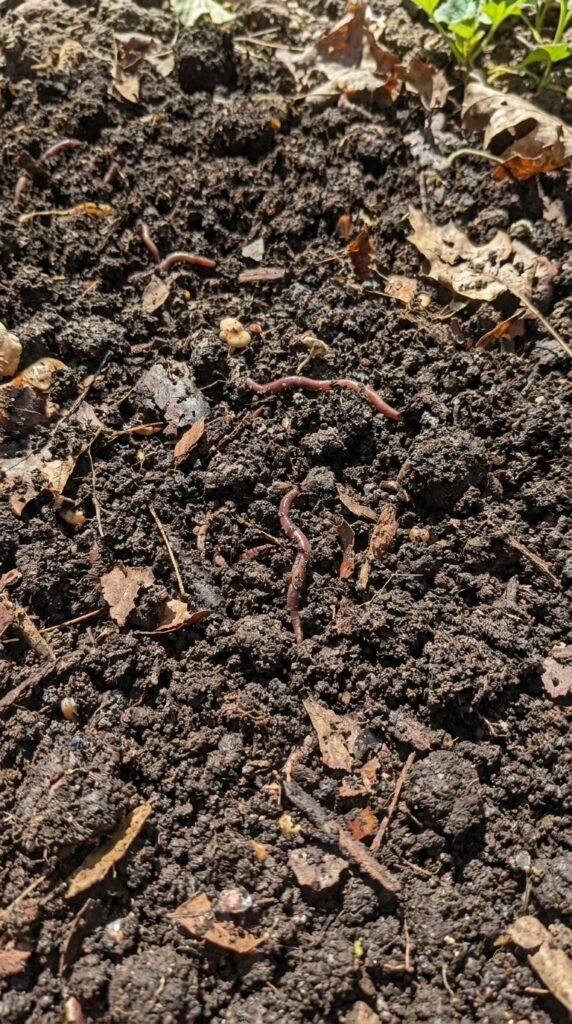
I quickly learned that a great garden starts underground. When I stopped using harsh chemicals, I realized the soil is actually full of life. Healthy soil should be dark, crumbly, and smell like a forest floor.
If your dirt is hard like a brick, your plants will struggle to grow roots. I like to add natural organic matter to make it fluffy. It is the best gift you can give to your new garden.
- Test your soil to see what nutrients it might be missing.
- Avoid stepping on your garden beds to keep the soil loose.
- Add plenty of organic matter like aged manure or leaf mold.
Choose Easy-to-Grow Organic Plants
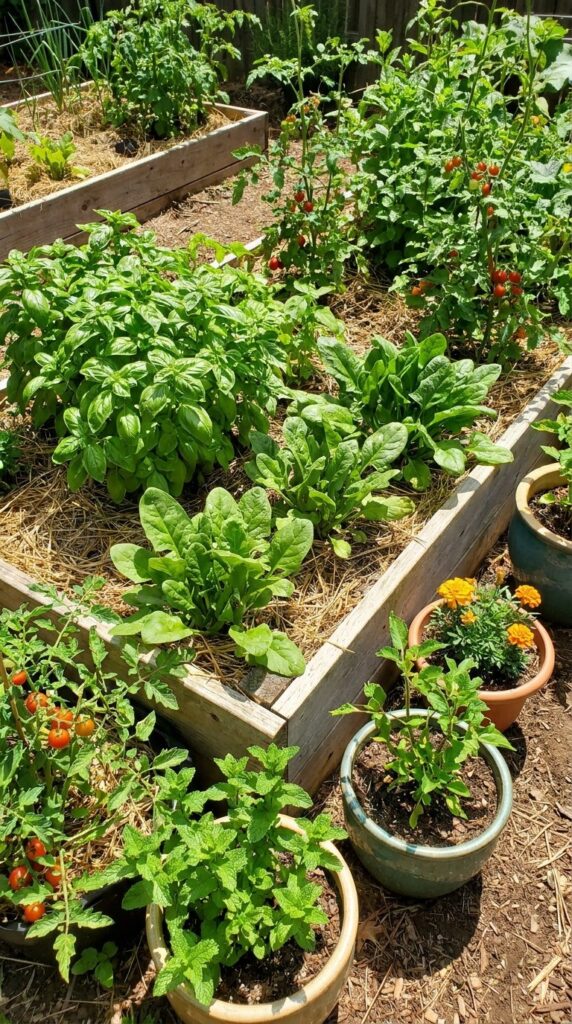
When I first started, I tried to grow everything at once and felt very stressed. Now, I suggest picking plants that are tough and naturally resist bugs. Things like radishes, beans, and zucchini are great for beginners.
These plants grow fast and give you a win early on. It makes the whole process much more fun when you actually see results. Once you feel confident, you can try the tricky ones.
- Select native plants that already like your local weather.
- Look for “disease-resistant” labels on the back of seed packets.
- Start with just three or four types of vegetables you love to eat.
Use Compost to Enrich Garden Beds
I call compost “black gold” because it is the best food for your plants. Instead of throwing away my kitchen scraps, I put them in a bin to rot down. It turns into a rich, dark booster for the soil.
It is a great way to recycle and save money on store-bought fertilizers. I just spread a thick layer over my beds every spring and watch my plants go wild with growth.
- Mix in vegetable peels, coffee grounds, and dry autumn leaves.
- Turn your compost pile once a week to help it break down faster.
- Only use compost that looks like dark soil and has no bad smell.
Water Your Garden the Right Way
I used to just spray the whole garden with a hose, but I learned that plants prefer a different approach. It is much better to water the soil at the base of the plant rather than the leaves.
This keeps the leaves dry and prevents mold from growing. I also found that watering early in the morning is best. It gives the plants a good drink before the hot sun comes out.
- Water deeply but less often to help roots grow down far.
- Use a rain barrel to collect free water from your roof.
- Check the soil with your finger to see if it is truly dry.
Mulch to Retain Moisture and Reduce Weeds
Mulching was a total game-changer for me. By covering the bare dirt with straw or wood chips, I stopped most of the weeds from even starting. It also keeps the ground cool and damp during hot summer days.
It makes the garden look very tidy and finished. Plus, as the mulch breaks down, it turns back into food for the soil. It saves me so much time on weeding every weekend.
- Use straw for vegetable beds and wood chips for around shrubs.
- Keep the mulch a few inches away from the plant stems.
- Apply a fresh layer in the spring after the soil has warmed up.
Practice Natural Pest Control Methods
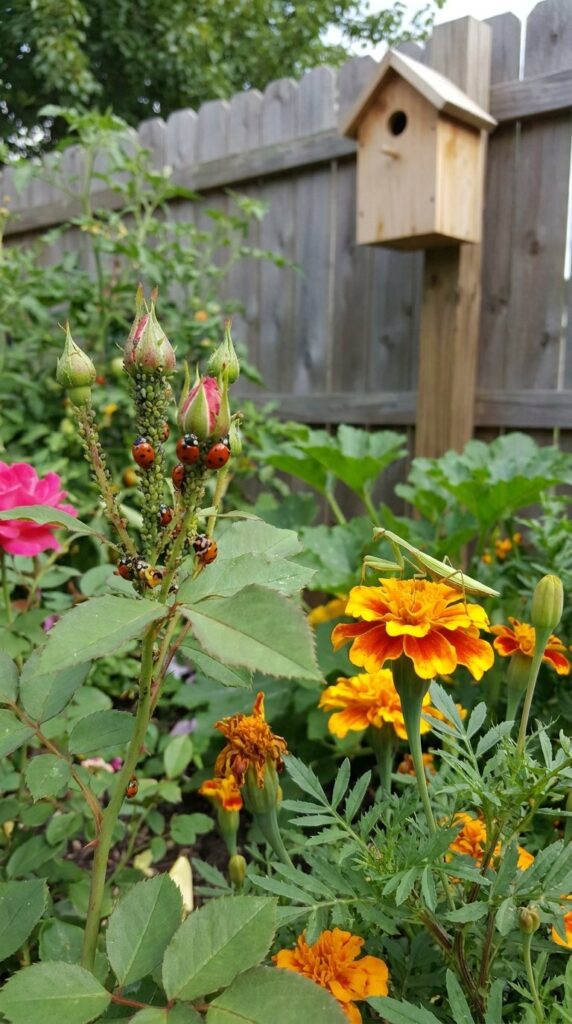
I used to panic when I saw a bug on my plants. Now, I try to stay calm and use natural tricks first. Sometimes a strong spray of water from the hose is all you need to knock off aphids.
I also like to go out at night with a flashlight to pick off slugs by hand. It feels much safer for the birds and my family than using poison sprays in the yard.
- Attract “good bugs” like ladybugs that eat the “bad bugs.”
- Use a simple mix of water and a tiny bit of soap for mites.
- Cover young plants with a light mesh to keep moths away.
Grow Companion Plants for Better Results
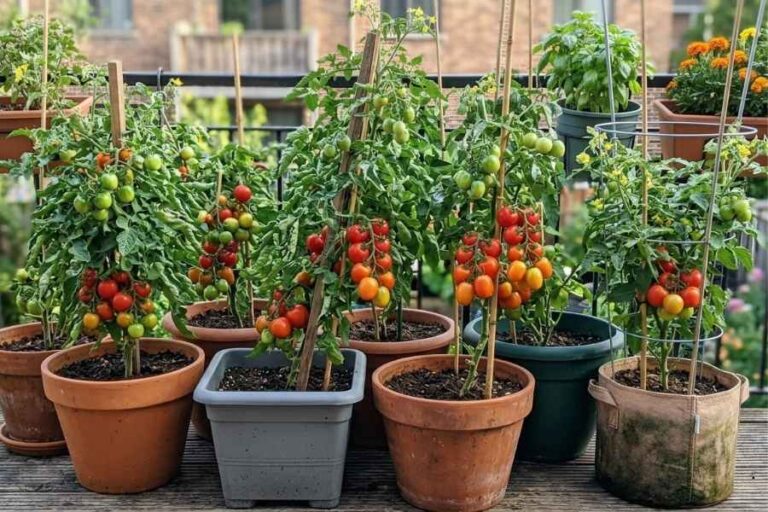
I love the idea that some plants are best friends. I always plant basil next to my tomatoes because it helps keep some pests away. Marigolds are also great because their strong smell confuses bugs.
This is a very simple and natural way to protect your garden without using chemicals. It also makes your garden beds look much more colorful and interesting when everything is mixed together.
- Plant tall sunflowers to provide a natural trellis for beans.
- Use onions or garlic to help protect your leafy greens.
- Mix flowers in with your vegetables to confuse hungry insects.
Rotate Crops to Maintain Soil Health
I learned the hard way that you should not plant the same thing in the same spot every year. If I put tomatoes in the same place twice, the bugs and diseases from last year are waiting for them.
By moving my plant families around, I keep the soil balanced. It sounds technical, but it just means putting your beans where your lettuce used to be last season.
- Keep a simple map of your garden to remember where things grew.
- Try not to grow the same plant family in one spot for three years.
- Follow “heavy feeders” like corn with “soil builders” like peas.
Use Organic Fertilizers for Plant Growth
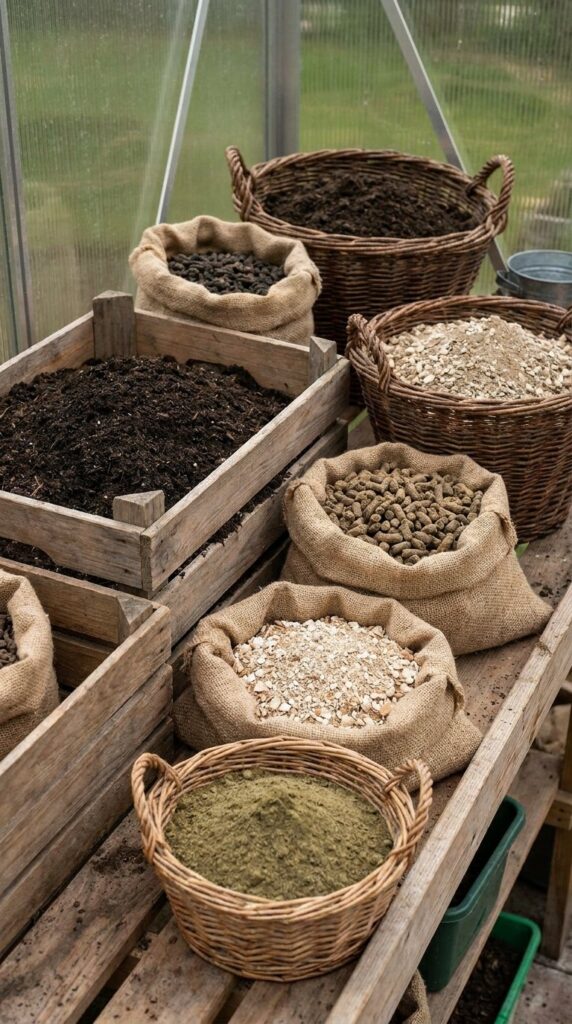
If my plants look a little tired or yellow, I give them an organic boost. I prefer using liquid seaweed or fish fertilizer. They might smell a bit funny for a day, but the plants absolutely love the extra nutrients.
Unlike chemical fertilizers, these don’t burn the roots or kill the helpful worms in the dirt. It is a much gentler way to help your garden grow big and strong.
- Follow the instructions on the bottle so you don’t overfeed.
- Apply liquid fertilizer to the soil around the base of the plant.
- Use bone meal if you want to help your flowers and roots.
Start Small and Expand Gradually
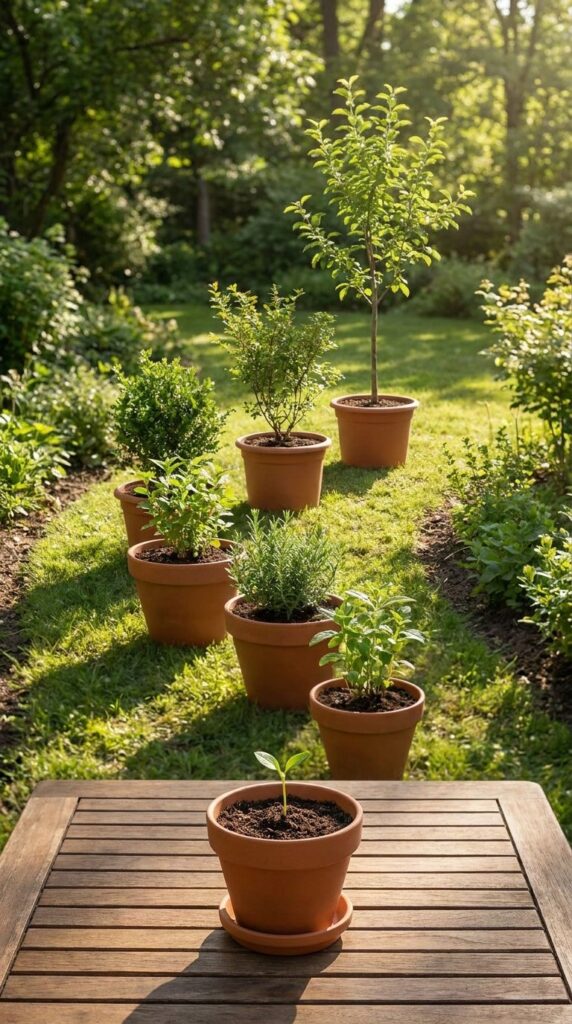
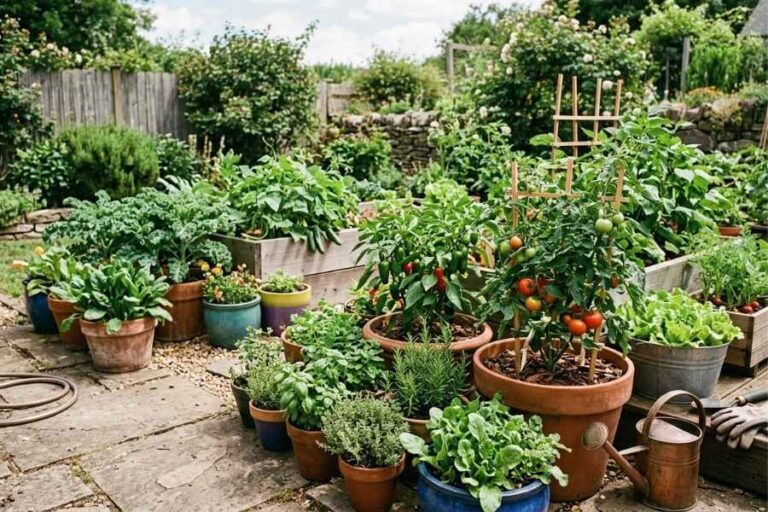
My biggest mistake was trying to dig up my whole backyard in one weekend. I got tired and frustrated very quickly. Now, I always tell people to start with just one or two small beds or a few pots.
It is much better to have a tiny garden that looks great than a huge one full of weeds. You can always add more space next year once you get the hang of it.
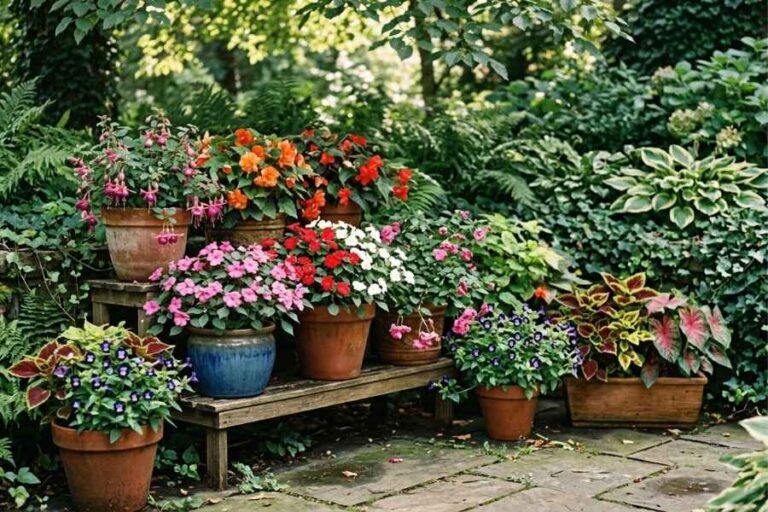
- Start with a simple 4×4 foot raised bed or a few large tubs.
- Focus on mastering just a few types of vegetables first.
- Set aside just fifteen minutes a day to check on your plants.
Encourage Pollinators in Your Garden
I love seeing bees and butterflies dancing around my flowers. Without them, we wouldn’t get many cucumbers or berries. I make sure to plant plenty of bright, open flowers to invite them into my yard.
It is also important to provide a little shallow dish of water with some stones in it. This gives the bees a safe place to land and have a drink while they work.
- Plant a variety of flowers that bloom at different times of year.
- Avoid any sprays, even organic ones, while bees are active.
- Include herbs like borage or dill that pollinators really love.
Learn Seasonal Planting for Organic Success
Gardening is all about timing, and I had to learn to watch the weather. Some plants, like peas and spinach, love the cool spring air. Others, like peppers and melons, need the hot summer sun to grow.
By planting at the right time, your plants stay much healthier and can fight off pests on their own. It makes the whole organic process feel much more natural and easy.
- Check your local “frost dates” so you don’t plant too early.
- Use a simple garden calendar to track when to sow your seeds.
- Start cool-weather crops again in late summer for a fall harvest.
Simple Tips for Success
Practical Advice for Every Organic Beginner
The best advice I can give is to be patient with yourself and your garden. Organic gardening is a journey, and sometimes things won’t go perfectly. I’ve had plants die, and I’ve had bugs win, and that is okay.
I treat every mistake as a lesson for next year. Just keep spending time outside and watching how things grow. Your garden will eventually find its own natural balance if you give it time.
- Keep a small journal to write down what worked and what didn’t.
- Don’t be afraid to pull out a plant if it is very sick.
- Celebrate the small wins, like your first homegrown strawberry.